Dutch nuclear medicine and radiology residence: Exploring challenges and opportunities
Medical imaging has undergone rapid developments over the past decades and has become an essential component of modern healthcare. Techniques in radiology, such as X-ray, ultrasonography, computed tomography (CT), and magnetic resonance imaging (MRI), together with nuclear medicine techniques including single-photon emission computed tomography (SPECT) and positron emission tomography (PET), enable early diagnosis, treatment monitoring, and image-guided therapies for a wide range of diseases. More recently, hybrid imaging systems such as SPECT-CT, PET-CT, and PET-MRI have combined the strengths of both anatomical and functional imaging, increasing the complexity and diagnostic potential of medical imaging. Traditionally, medical imaging has been practiced by two separate specialties: radiology and nuclear medicine. However, the growing use of hybrid imaging and multimodality diagnostics has highlighted the need for specialists who are proficient in both domains. In response to these developments, the Netherlands introduced an integrated radiology and nuclear medicine residency program in 2015, aiming to improve efficiency, quality, and collaboration within multidisciplinary teams. Residents who complete the nuclear medicine subspecialty within this combined curriculum are trained to interpret both anatomical and functional imaging and are referred to as nuclear radiologists. Despite the anticipated advantages of this integrated training model, its impact on clinical practice, resident training, and workforce development has not yet been comprehensively evaluated. Questions remain regarding staff and residents’ perceptions of the integrated curriculum, the factors influencing residents’ decision to pursue nuclear medicine sub specialization, and the demand for nuclear radiologists in the job market. In addition, broader challenges in medical imaging—including increasing workload, rising healthcare costs, and the need for efficient workflow organization—require further investigation. This thesis aims to evaluate the implementation and consequences of the integrated radiology and nuclear medicine training program in the Netherlands, while also addressing broader workforce, educational, and organizational challenges within modern medical imaging.
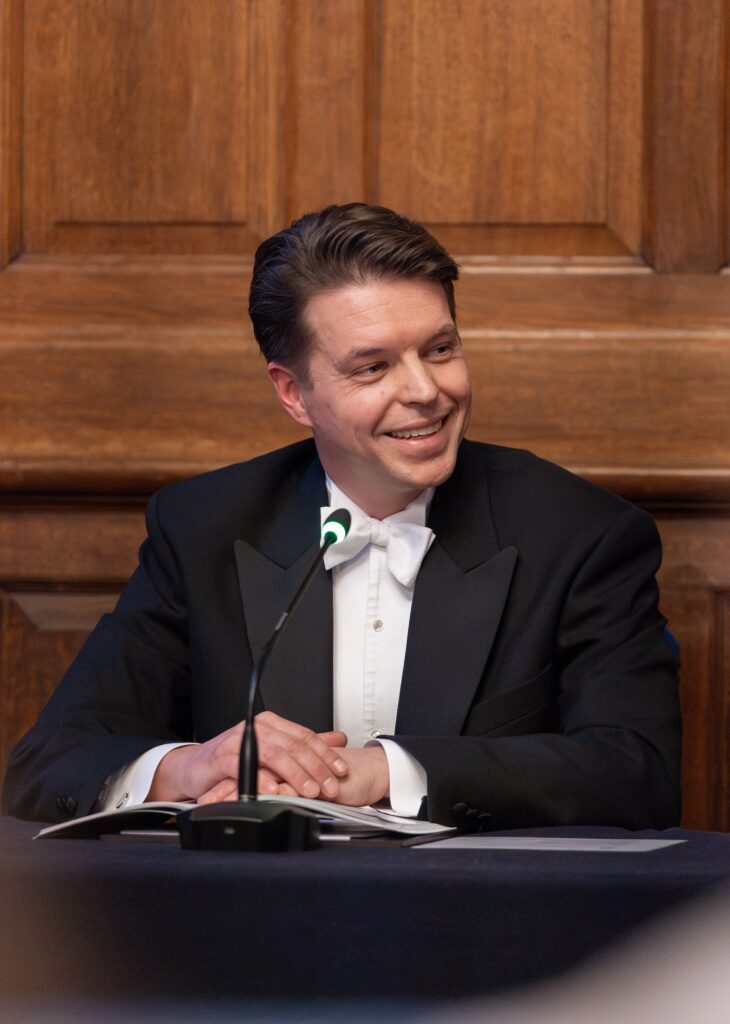
Ton Velleman, PhD
04 maart 2026
Rijksuniversiteit Groningen
Promotores:
Prof. T.C. Kwee, PhD
Prof. R.A.J.O. Dierckx, PhD
Co-promotor:
W. Noordzij, PhD